
Sanctuary Renewal Project
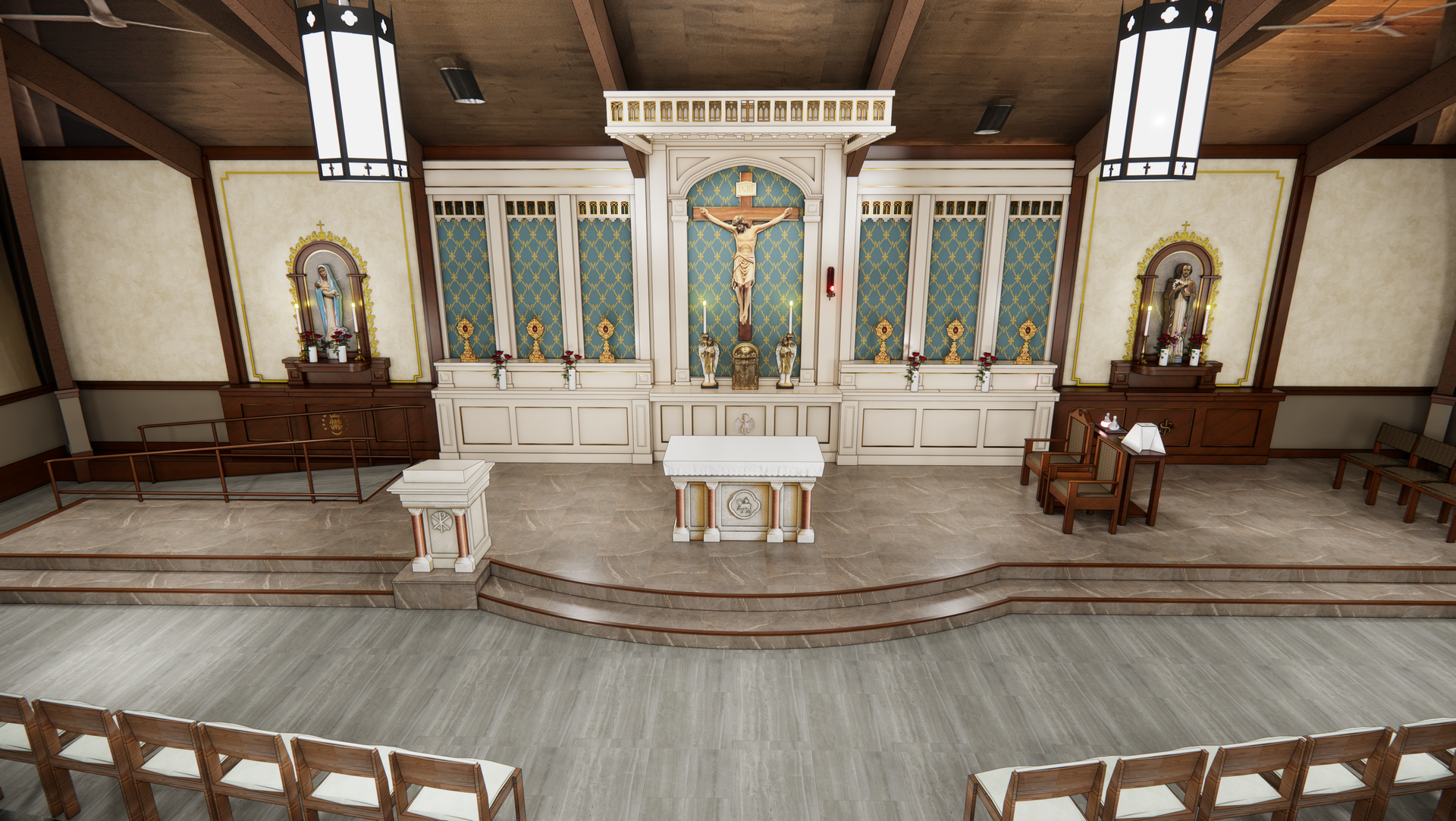
Praise God! As of September 20th, we have surpassed our Campaign Goal:
$272,000 - pledged
$120,000 - received to date
Campaign Goal: $230,000
Flex Goal: $287,161*
*flex goal includes:
- new flooring down center aisle
- church light fixtures added above the pews in the church
If you have not yet made a pledge you can still do so throughout the summer. Your pledge can help us reach our flex goal!
You may pledge by clicking the button above or by handing in your pledge card in the offertory baskets or at the parish office.
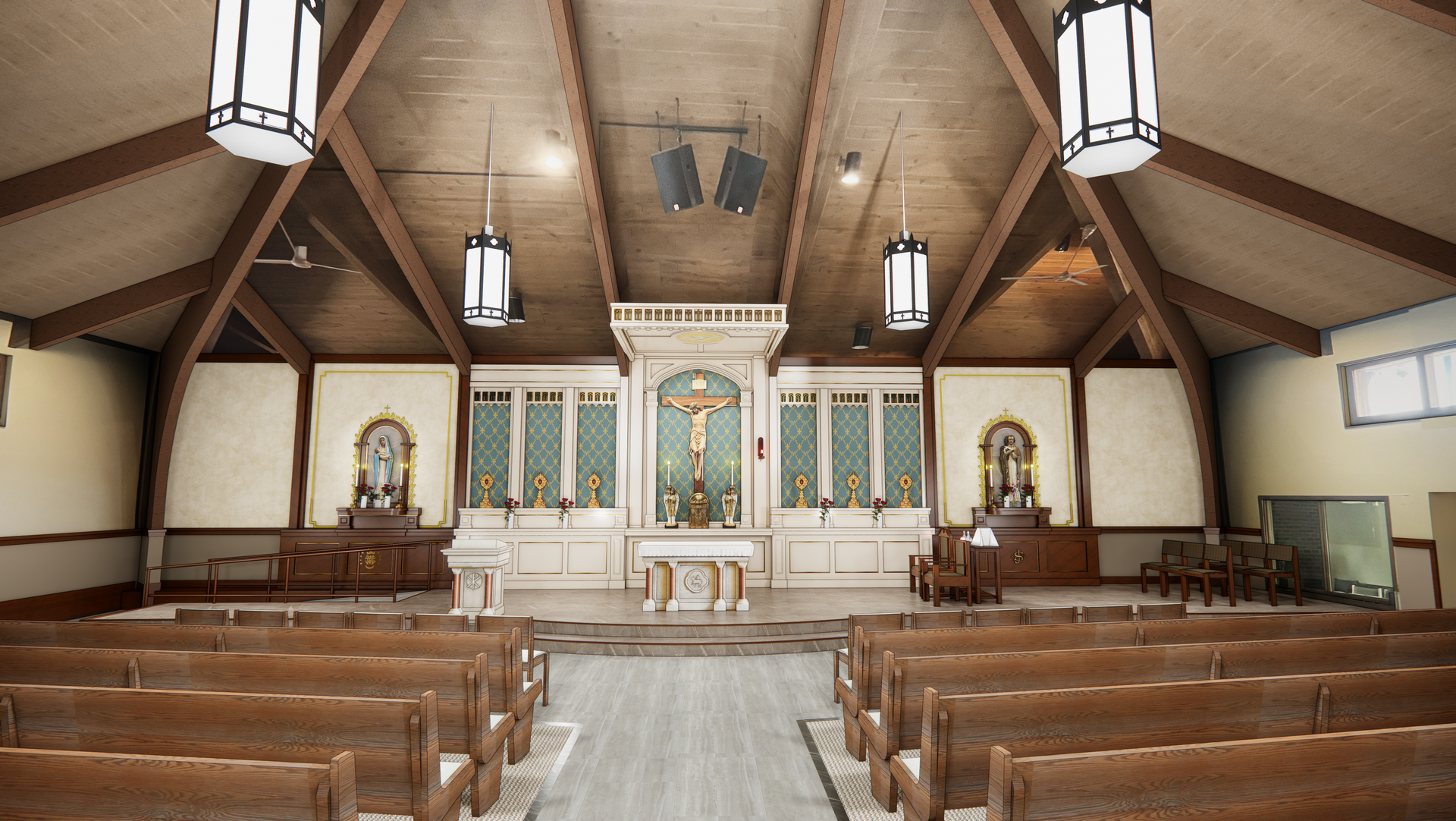
Prayer of thanksgiving for the success of our Sanctuary campaign:
Blessed Trinity, we come before You with grateful hearts. Thank you for the abundant blessings You have poured out upon our St. Mary community.
We praise You for inspiring so many to give with such incredible generosity. Bless every person who contributed. It is by Your grace that we have exceeded our campaign goal. As we prepare for construction, we ask that You give us wisdom and continue to bless this project.
May this renewed sanctuary bring honor and glory to Your name and draw us and future generations to our heavenly homeland.
May Jesus, our Eucharistic Lord, be praised, honored, and adored here at St. Mary and in all the tabernacles of the world until the end of time. Amen!
Mary, Mother of the Church, pray for us!
St. Bartolo Longo, pray for us!
Project Goal:
Drawing from our rich Catholic tradition,
we intend to make our Sanctuary more accessible and to create a
liturgically beautiful, unified design,
that will help draw us and future generations to heaven, our true homeland.
TIMELINE:
- [COMPLETE]Winter 2026: Design Approval - Request Approval from Bishop of designs and to begin capital campaign.
- [COMPLETE]. LENT 2026: Prayer for the Project - project prayer prayed during Masses and prayer cards handed out to parishioners.
- Easter 2026: Campaign Kickoff/Commitment Phase- Parishioners are invited to make a 3-year pledge to cover the project cost.
[COMPLETE] -April 12th 2026 Brunch / April 15th Dinner: Pre-Campaign Kickoff Events- learn about the project and campaign. Answer questions.
[COMPLETE] -April 19th 2026: Campaign Kickoff Weekend
[COMPLETE] -May 31st 2026: Commitment Weekend- Handing in of pledge cards at the end of Masses.
- May 2027: Construction Phase - Once more than 50% of the pledged gifts are collected, construction can begin.
- Project Completion: August 2027
FAQ's
Why don’t we just use the current altar, ambo, tabernacle stand, and saints stands in the new sanctuary design?
Considering our two project goals: to make the sanctuary more accessible and to create a unified and liturgically beautiful design: The current tabernacle stand extends too far into the sanctuary, limiting access for a priest to celebrate Mass at the altar. The tabernacle stand, the main altar, the ambo, and saints stands are different styles and stain colors. This does not communicate a unity of design and style, but instead presents conflicting styles. Order and harmony in design communicate the order and harmony of our faith, of nature, and the God who is revealed through them.
What will the new sanctuary furnishings be made out of?
The Ambo, Altar, and Altar of Repose will be made of stone and wood with moldings, bezels, and gilding. The sanctuary floor will be porcelain tile and will meet the industry standards for safety and slip resistance.
Will removing the carpet in front of the sanctuary make the area a slipping hazard?
Places designated for distributing the Eucharist are to have flooring that is solid and non-porous. In the event that the Eucharist is dropped, the recovery of consecrated particles as well as the purifying of the area with water is a lot safer and easier. Luxury vinyl tile will be used here and will also meet the industry standards for safety and slip resistance.
Will this project cause our parish to go into debt?
No. The project will be funded through a capital campaign. Parishioners will be asked to make a 3 year pledge to cover the budget for this project. The last campaign the parish engaged in was about 26 years ago to cover the building of the PLC, which cost $1.1 million. Sanctuary project budget is under $250K, which is less than our yearly offertory income. We would only begin construction on the project when we reach our 3 year pledge goal AND when more than half of the pledge goal donations have come in.
Will the renovation of our sanctuary create added costs for maintenance and upkeep?
It is not projected to add any significant cost to our parish maintenance budget. Actually, switching to hard surface flooring should reduce some costs to our budget, as hard surface floors last longer and are easier to clean. The removal of the chemical lights and replacing them with LED spotlights will also reduce our energy costs.
When do you anticipate the project being completed?
We plan to complete construction in 2027. St. Mary’s 150th parish anniversary is in 2029 and we will have it completed will before the anniversary.
